
Veteran investors have plunked down a combined $70.8 million in separate deals to buy big industrial hubs in the East Bay in a sign that buyers still like these kinds of properties despite sour times for other types of real estate.
The deals, one in Livermore and the other in Alameda at a Frito-Lay site, were completed around the same time as the purchase in December of an industrial and manufacturing center in Fremont for about $93 million.
Industrial and logistics complex at 7650 Marathon Drive in Livermore. (Google Maps)
The three transactions suggest East Bay industrial hubs remain attractive to investors even in the face of a sour market for office buildings and hotels in the Bay Area.
RELATED: East Bay steel plant property bought for more than $200 million
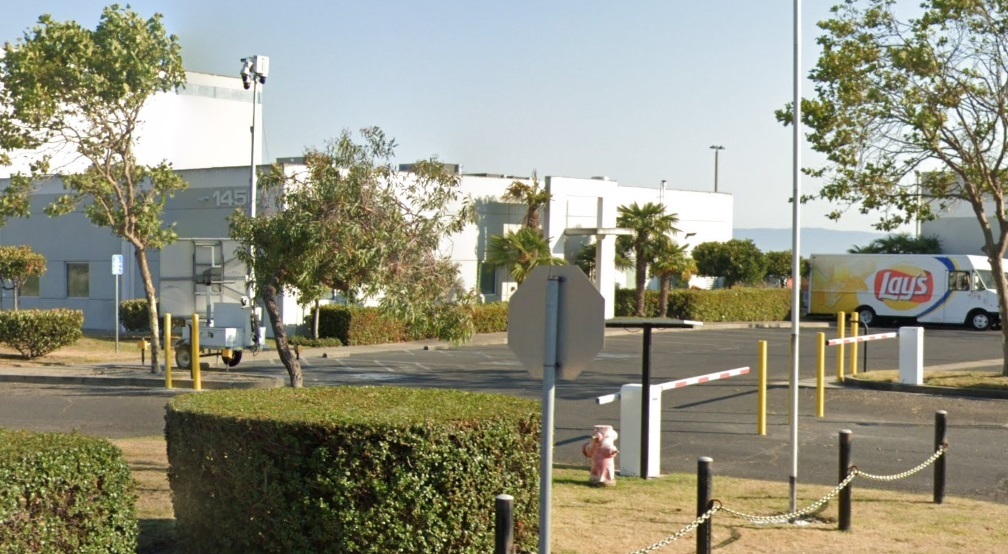
In the Alameda deal, an affiliate headed up by Apollo Commercial Real Estate Finance and Bridge Logistics Properties paid $21.5 million for a building at 1450 South Loop Road in Alameda that serves as a Frito-Lay distribution center, documents filed on Dec. 24 with the Alameda County Recorder’s Office show. Frito-Lay Sales was the seller.
The Livermore deal totaled $49.3 million and involved industrial and logistics buildings at 7650 and 7888 Marathon Dr. that were bought by an affiliate controlled by Overton Moore Properties, an active player in Bay Area real estate, according to Alameda County records filed on Dec. 26.
In both instances, the purchases were completed for a price that exceeded the respective assessed values for the buildings.
The Alameda building was bought at a price that was 6% above the January 2025 assessed value of $20.2 million.
The two Livermore buildings were purchased for an amount that tripled their combined assessed value of $16.3 million.
Bay Area industrial and logistics buildings still entice buyers because they are typically occupied by companies whose employees must work at the site rather than remotely, an outcome that helps to decrease vacancies in such properties.
The persistence of remote work in the wake of the coronavirus outbreak has kept many office spaces vacant, causing those types of buildings to be less attractive to investors.