
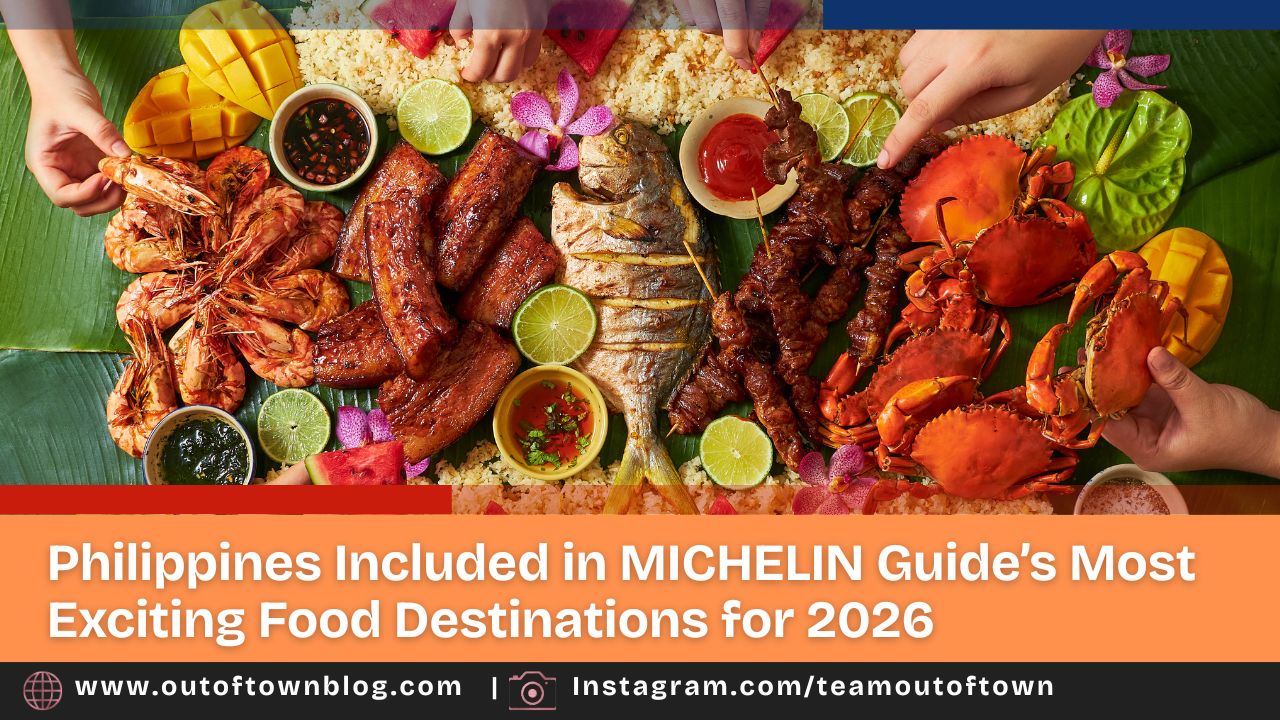
The Philippines is now officially included in the MICHELIN Guide’s list of Most Exciting Food Destinations for 2026, marking a significant milestone for the country’s culinary scene and signaling an ideal time to explore its vibrant and diverse food culture.
Philippines Included in MICHELIN Guide’s Most Exciting Food Destinations for 2026
The Department of Tourism (DOT) warmly welcomed this recognition, which places the Philippines among 16 recommended food destinations worldwide. This accolade strengthens the country’s presence on the global gastronomy map and underscores its growing reputation as a culinary hotspot. It highlights not only the richness of Filipino flavors and regional specialties but also the rise of innovative restaurants, talented chefs, and unique dining concepts that are drawing international attention.
The MICHELIN Guide’s acknowledgment focuses particularly on Manila and its neighboring areas, as well as Cebu—two key culinary hubs in the country. Manila and its environs are known for their dynamic mix of heritage eateries, cutting-edge restaurants, and bustling street-food scenes, while Cebu has long been celebrated for iconic dishes such as lechon and a thriving food culture that blends tradition with modern influences. Together, these destinations offer an impressive range of culinary experiences—from humble local carinderias and lively markets to refined tasting menus—showcasing the depth, creativity, and authenticity of Filipino cuisine on the world stage.
“Gastronomy is a vital expression of our national identity. This recognition supports our broader goal of strengthening sustainable tourism by celebrating what is authentically Filipino and by elevating the people and places behind our food. With the support of our stakeholders, we aim to elevate our culinary identity, celebrate our rich traditions, empower food producers, and share our unique stories with the world,” said Tourism Secretary Christina Garcia Frasco.
The MICHELIN Guide also recognizes the exceptional blend of traditional and modern cooking techniques showcased by the country’s young local chefs—a harmonious balance that has long deserved international recognition.
Anonymous inspectors’ recommendations
Among the standout dishes recommended by anonymous MICHELIN Guide inspectors are sisig, sinigang, inasal, and adobo, each representing a different facet of Filipino culinary tradition. Sisig is often prepared with chopped pork, onions, and chilies served on a sizzling plate, offering a contrast of crispy and tender textures. Sinigang is a sour soup, commonly made with pork, shrimp, or fish, and typically flavored with tamarind, guava, or other local souring fruits. Inasal, a specialty from Bacolod, features chicken marinated in a mix of calamansi, vinegar, soy or fish sauce, garlic, lemongrass, and annatto, then grilled over charcoal for a smoky, aromatic finish.
Adobo, widely regarded as a national favorite, involves meat or seafood slowly braised in a combination of soy sauce, vinegar, garlic, bay leaves, and whole peppercorns, resulting in a rich, tangy, and savory dish. Collectively, these recipes exemplify the Filipino mastery of balancing sweet, salty, sour, and umami notes, made possible by an abundant range of regional fruits, vinegars, spices, and time-honored cooking methods such as marinating, slow-cooking, and grilling over an open flame.
The culinary list also highlights the Philippines’ year-round access to fresh ingredients, attributed to the country’s tropical climate and fertile landscapes. Warm temperatures, distinct wet and dry seasons, and nutrient-rich volcanic soil support the year-round growth of fruits such as mangoes, coconuts, bananas, and pineapples, as well as a wide array of vegetables, herbs, and root crops. Surrounded by rich coastal waters, the archipelago also benefits from an ample supply of fresh fish and seafood.
This natural abundance not only shapes everyday home cooking but also allows restaurants and street food vendors to highlight seasonality and freshness in their menus. According to the guide, this environment is a cornerstone of the Philippines’ culinary offerings, enabling dishes that are vibrant, flavorful, and deeply connected to place.
 Sis
Sis
Beyond its food recommendations, the guide features a selection of notable accommodations that complement the country’s gastronomic appeal. In Manila, the Grand Hyatt Manila is known for its sophisticated atmosphere, spacious rooms, and a rooftop pool with sweeping views of the city—an ideal setting for travelers to unwind after a day of exploring. Shangri-La at the Fort, located in the dynamic Bonifacio Global City district, is also recommended, offering luxury accommodations, diverse dining options, family-friendly amenities, and proximity to business hubs and nightlife.
For visitors drawn to the coastline, the guide features beachfront escapes in Mactan, Cebu, such as the One-Key Dusit Thani Mactan Cebu Resort, known for its modern seaside rooms, resort-style pools, and easy access to water sports. Crimson Resort & Spa Mactan is likewise highlighted for its private villas, lush tropical landscaping, full-service spa, and direct access to white-sand beaches. Together, these properties showcase the breadth of hospitality options in the Philippines, from cosmopolitan hotels in the capital to tranquil island resorts that pair naturally with the country’s celebrated cuisine.
With this distinguished recognition, the Philippines now stands alongside renowned culinary destinations such as Italy, Türkiye, China, Saudi Arabia, the American South, Florida, Canada, and Poland.
The launch of the MICHELIN Guide on October 30 marked a historic milestone, celebrating 108 establishments across Manila and Cebu. The Philippine roster includes one Two Star and eight One Star restaurants, 25 Bib Gourmand awardees, 74 MICHELIN-Selected venues, and special distinctions for sustainability, service, young chefs, and mixology.
Manila Travel Tour Packages You Should Try
Klook.com
Follow and subscribe to OutofTownBlog.com on Facebook, Twitter, Instagram, Pinterest, and YouTube for more Travel-related updates.
Read: